The Decision Framework
On every drywall job we quote in Wilmington, we ask the same five questions to decide between patching and replacing. How big is the damage? How many separate repairs are needed in the same area? What's the underlying cause? What's the texture and lighting? And what's the customer's budget? The right answer falls out of those five answers almost every time.
When Patching Wins
Single small to medium holes in a contained area should always be patched. A 6-inch hole in the middle of a wall, a settlement crack above a doorway, a doorknob hole — these are textbook patch repairs. The patch is faster, cheaper, and leaves no debris to dispose of. Done correctly with proper backing, three-coat finish, and texture match, a patch is invisible.
When Replacement Wins
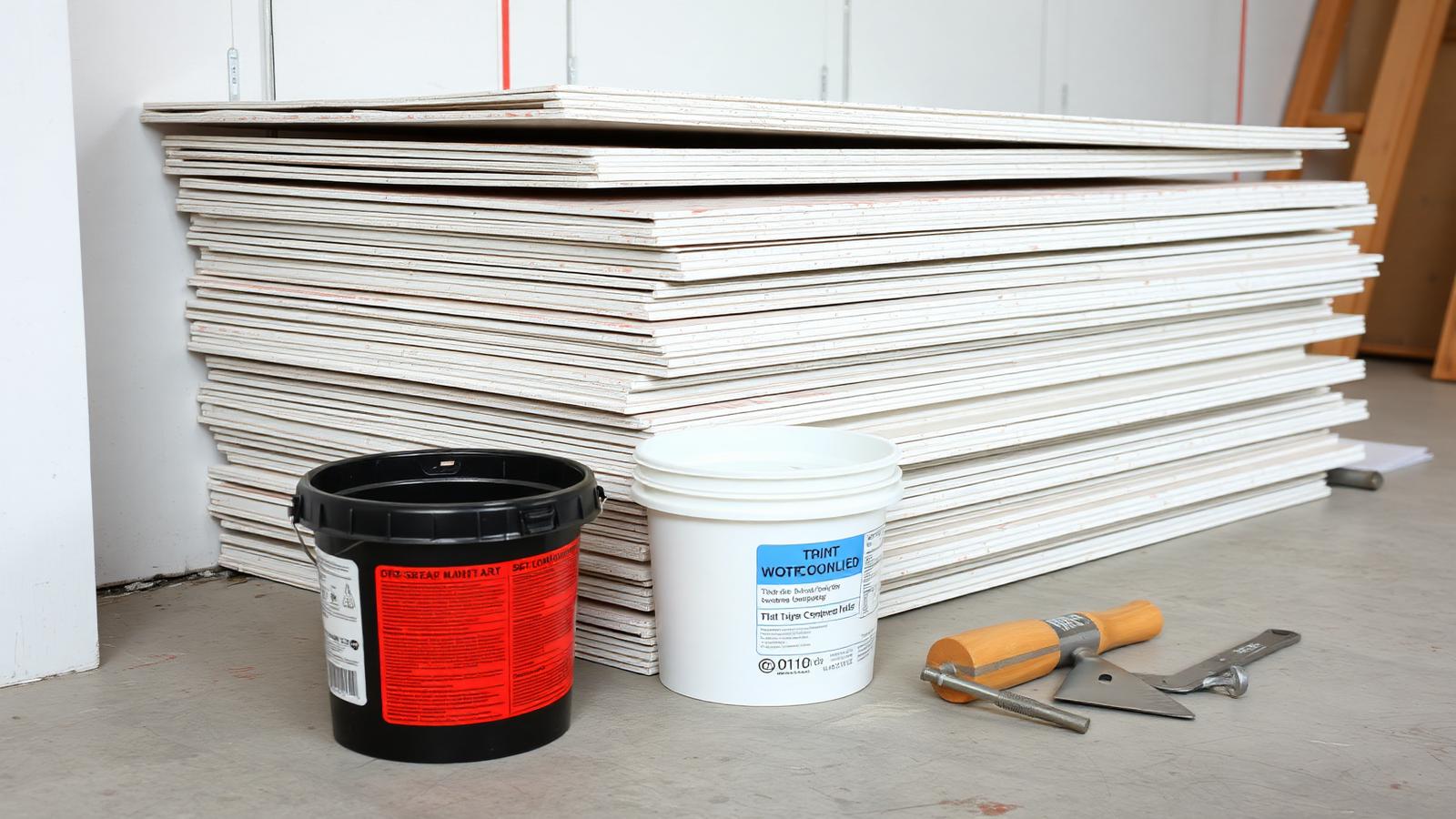
Replacement makes sense when you have multiple repairs in the same 4×4 foot area, when the damage exceeds the size of a single full sheet of drywall, when water has compromised the structural integrity of the gypsum core, when there's mold on the back of the existing drywall, or when the existing wall has been patched so many times that the surface looks like a quilt. In those cases, cutting back to the studs and installing a new piece of drywall is faster and looks better than trying to patch the patches.
The Hidden Cost of Bad Patching
Some contractors patch everything regardless of conditions because patching is cheaper to quote and faster to execute. The hidden cost is a wall that looks bad under raking light, fails again within a year, or traps moisture behind the patch. We've redone many DIY and contractor patches in Wilmington homes where the customer paid twice — once for the bad patch, once for our proper repair or replacement.
Replacement Cost Comparison
A patch repair in Wilmington typically runs $150–$400. Replacing a full sheet of drywall in the same wall, including taping, finishing, and texturing all four sides, runs $400–$800. When you have more than two or three failures in the same area, the replacement starts to win on both cost and quality.
What We Do on Site
When we arrive for a free estimate, we look at the damage, the wall around it, and the lighting in the room. We touch the wall around the damage to see if there's hidden moisture or soft spots. We check the texture to see how matchable it is. Then we give you both options when both are viable, with honest prices, and recommend one based on what we'd do in our own home.
Ceiling vs Wall Considerations
Ceilings tip the math toward replacement more often than walls because ceiling patches are harder to make invisible. A 4×4 foot ceiling repair is often best done as a full sheet replacement, especially in rooms with strong direct lighting. Walls have more forgiving angles for patches.
When Customer Preference Decides
Sometimes both options give a great result and the choice comes down to budget, schedule, or how disruptive the work will be. Patches are usually less disruptive — less debris, less mess, faster. Replacements look cleaner long-term and reset the wall to a known-good state. We'll tell you the trade-offs and let you choose. Call us at (910) 555-0184 for a free estimate and honest recommendation.