Two Very Different Jobs
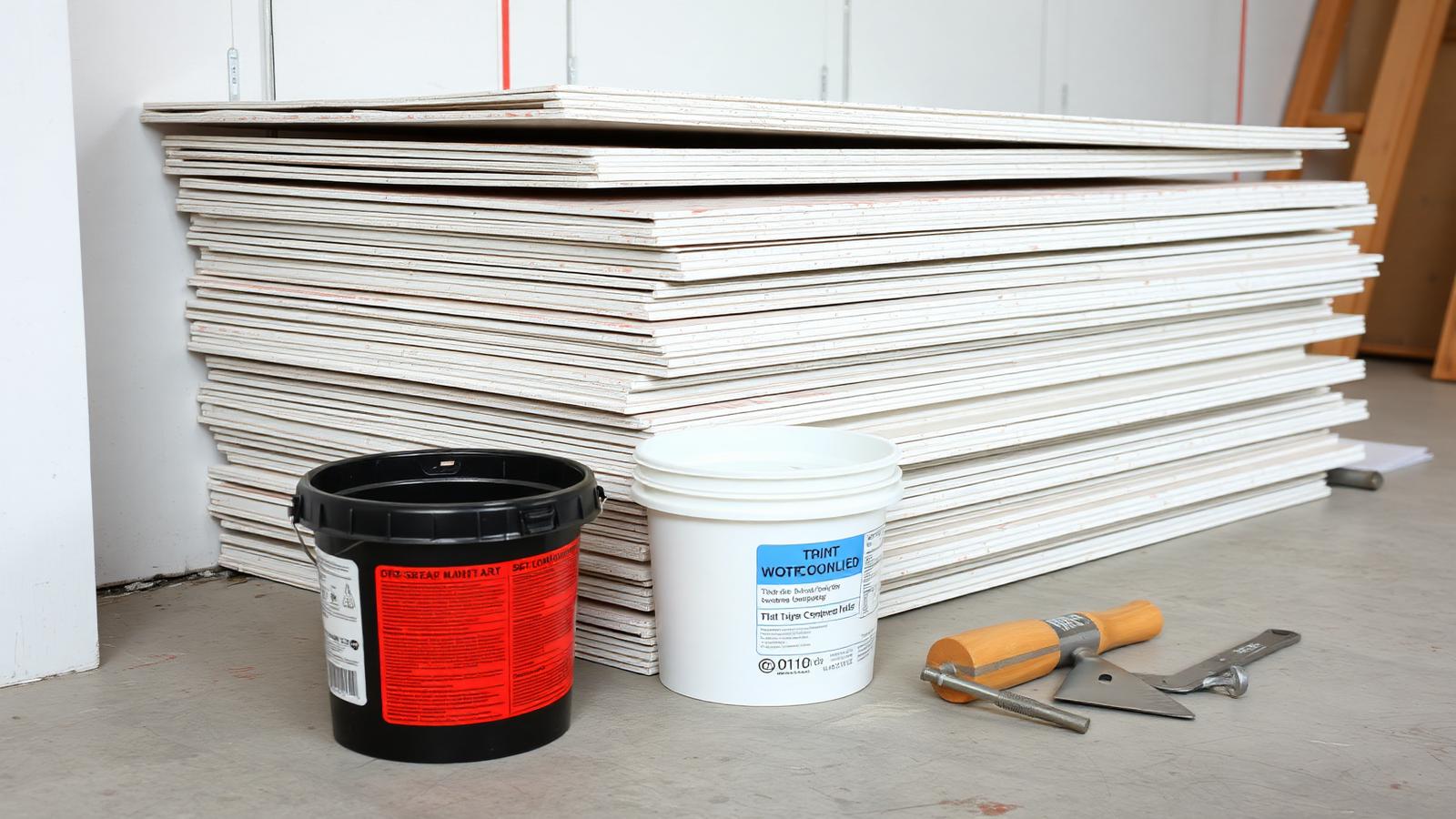
Drywall replacement and skim coating solve different problems. Replacement is for damaged, wet, or structurally compromised drywall — you tear out the bad material and install new sheets. Skim coating is for cosmetically tired or textured walls that are structurally fine — you apply a thin layer of joint compound over the existing wall to smooth or refresh it. Knowing which one you need can save thousands of dollars.
When to Skim Coat
Skim coating makes sense when the existing drywall is sound but the surface needs refreshing. Common scenarios in Wilmington: removing texture (popcorn, knockdown, or heavy orange peel) to create a modern smooth look, fixing a wall full of small dings and screw holes more efficiently than patching each one, hiding old wallpaper glue residue that won't fully come off, and prepping for a high-end paint scheme where every imperfection would show.
When to Replace
Replacement is required when drywall is water-damaged, mold-affected, structurally compromised (sagging, soft, or crumbling), badly cracked along multiple seams, or buried under so many failed patches that starting fresh is faster. We also recommend replacement for any wall where we'd have to remove more material to skim coat than to start over.
Cost Comparison
Skim coating costs $1.50–$3.00 per square foot for a smooth Level 4 finish. A 12×12 wall is usually $200–$400. Drywall replacement runs $2.50–$5.00 per square foot for the same wall, plus disposal of the old material. So skim coating is roughly half the cost of replacement when both are viable options.
The Skim Coat Process
On a typical Wilmington skim coat job, we first prep the wall by scraping any peeling paint, removing wallpaper if present, and sanding heavy textures down to a manageable level. Then we apply a bonding primer to ensure the new compound sticks. Next, we trowel on the first coat of joint compound — thin, just enough to fill the existing texture. The next day we apply a second coat, then a third if needed. Final sand, prime, and the wall is ready for paint.
Common Skim Coat Mistakes
DIY skim coats fail for predictable reasons. Skipping the bonding primer means the compound doesn't stick well. Applying too thick a coat means cracks as it dries. Not feathering the edges means visible seams where the skim ends. Sanding before fully dry means gouges. We see DIY skim coats that need to be redone within a year because of these errors.
Textured to Smooth Conversions
The most common skim coat request we get in Wilmington is converting knockdown or popcorn to smooth. This is a popular modernization and it dramatically changes how a room feels. We knock down the high points first, prime with a bonding primer, then apply two to three coats of skim, sanding between each. Total time: 3–5 days for a typical room.
Get a Free Skim Coat Estimate
Not sure whether your walls need skim coating or replacement? We'll come out, look at the walls, and give you an honest recommendation. Call Wilmington Drywall Pros at (910) 555-0184.